
What
Ba-Dinkwanyane Offers

Sekweneng
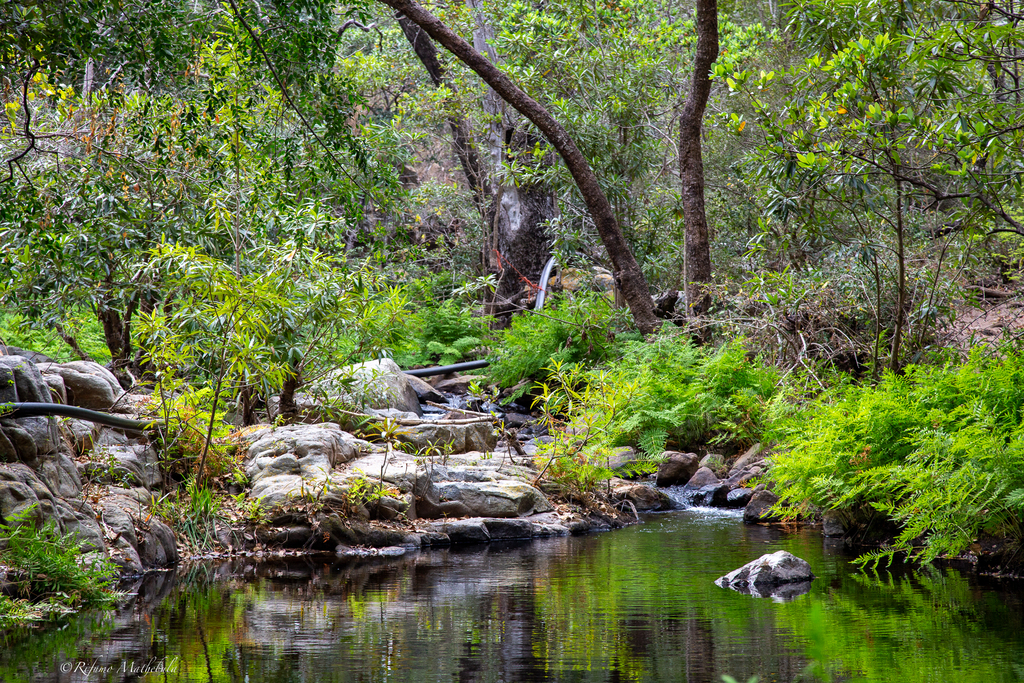
The Tufa waterfall is locally known as Sekweneng – translating to the place of the crocodile. This site is one of the best kept secrets in Limpopo and is conveniently situated on the Panorama route.
The main rock formation is dolomite, which contains a high percentage of calcium and magnesium that results in the formation of highly porous tufa rock. The Tufa waterfall builds up over time as the calcium rich water runs over green moss to calcify as ‘limestone’ around the moss. The precipitating process is repeated resulting in an active growing and fresh green Tufa waterfall. The green moss growing on tufa rock reflects life, mirrors rejuvenation and birth energy to vibrate in your veins – a sanctuary for photographers.
This is also a place where, traditionally, holy water is collected and is therefore seen as a sacred place. Thus, respect and nurturing of biological and spiritual environment should at all times be a priority during your visit.
From the parking area you can reach the main view point going down almost 200 steps. The visit will take approximately 1 hour. However, there is also a lovely picnic spot near the ancient water reservoir.
Sethunyeng
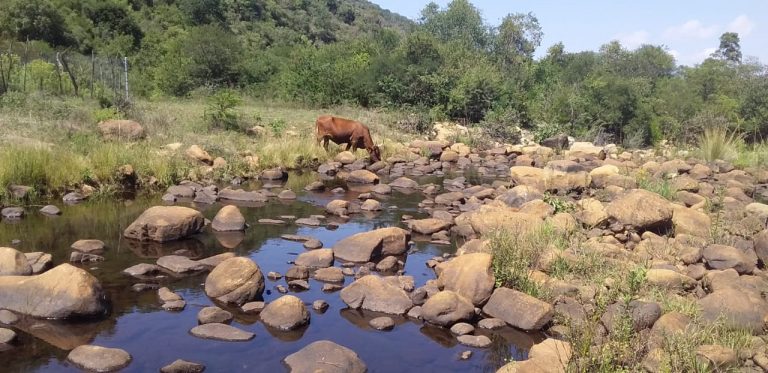
Sethunyeng site is where, along a hiking trail through a marshy wetland and evergreen riverine forest, you will find the largest yellow wood and matumi trees ever seen. You will reach the ‘gunrock’, that is a weathered quartzite geological formation, after following an easy scrambling trail for almost 2,5 km through evergreen riverine forest. This route will take you through the wetland which is used as grazing lands for cattle and traditional Madumbi Farming. Birdlife is abundant – sightings of Narina trogan even occurred. Along the crystal-clear streams a variety of fern species are found with delicate damselflies persching on water lilies and diversity of frog species along rocks. Those who are brave enough, can be refreshed in the pools formed by small waterfalls cascading over rocks or simply enjoy the tranquillity the space has to offer. Perfect picnic location can be found along the trail. This trail will take approximately 2-3 hours.


Mountain day- hikes:
We also offer full day guided, longer and vigorous mountain hikes for the more energetic visitors .
- Mawane hiking route is a distance of 18km and takes you to the edge of the Drakensburg Escarpment with an eagles view over the Lowveld.
- Hiking route is approximately 9km and interlink Sethunyeng and Sekweneng along the mountain cattle paths.
Snacks and water as refreshment along the route are provided
Agro-tourism
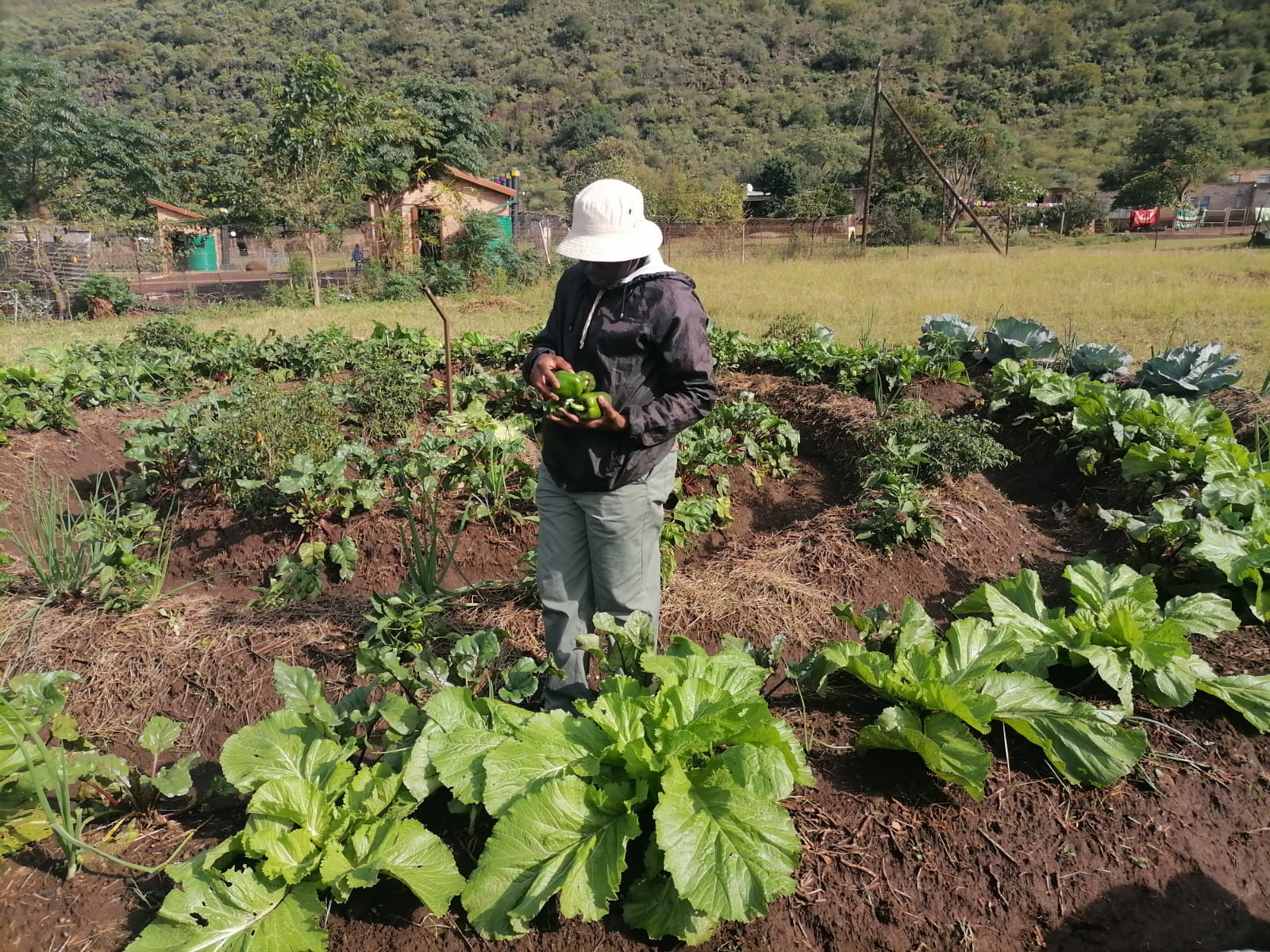
The guides will show how agriculture is practiced in the community and that it also being our way of conserving the wetlands and grazing areas.
A unique Madumbe plant is cultivated by the elderly woman in the wetlands – that is an age-old natural organic method where only animal manure is used to grow the plant and no chemicals nor fertilizer is added. Madumbe is a herbaceous, tropical root crop that is grown in South African wetlands and is one of the most important root vegetable food crops in the world. It is used by the community mainly for the high nutritional value that adds to their health condition. Madumbe has a rich earthy flavour, is high in carbohydrates (low GI) and has much more protein and amino acids than any other root crop. The growth season is 9 months towards harvesting; April to December.
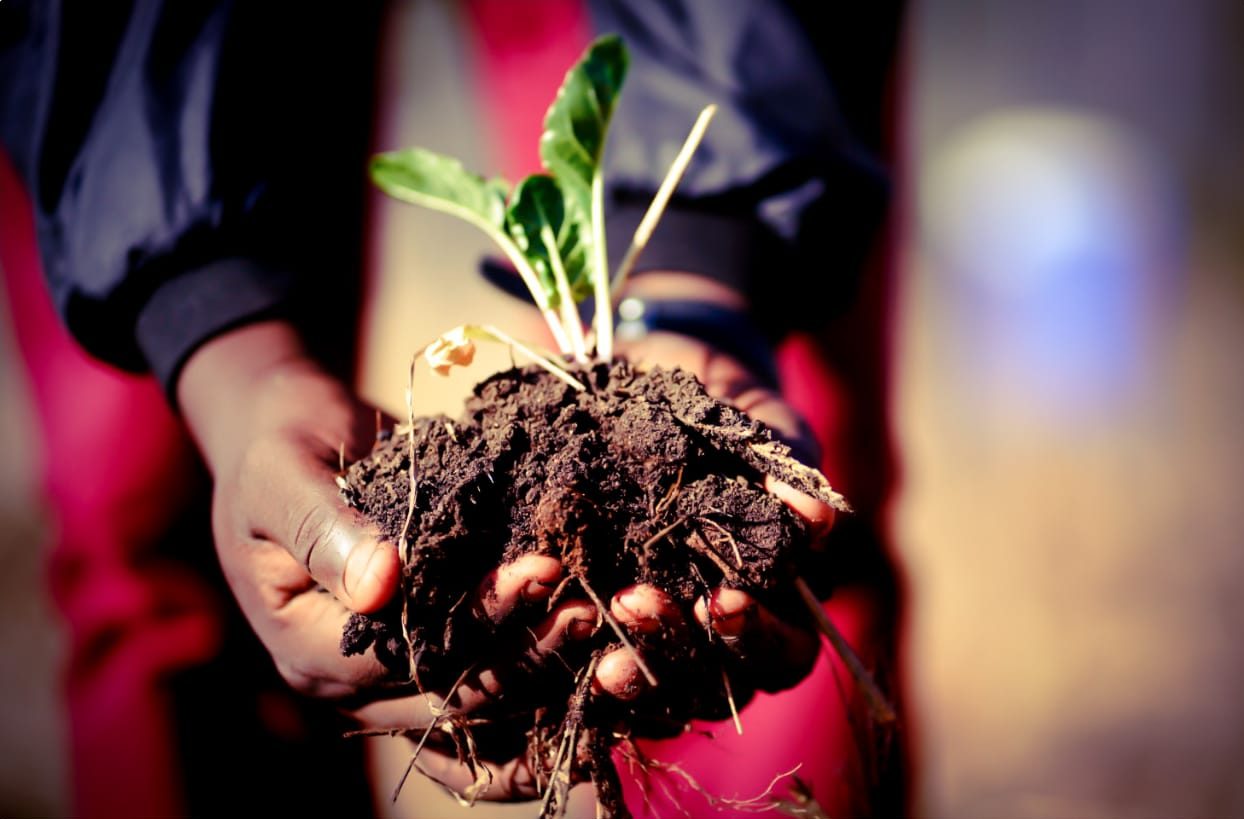
Agro-ecology is one of the learning result areas of the DWS project spear headed by Hoedspruit Hub. A demonstration garden was established at the local primary school to encourage young community members to cultivate an appreciation and love for farming. Agro-ecology is integrated in the school curriculum and hands-on learning in subjects like numeracy, literacy and life orientation. The ecosystem custodians of the DWS project give guidance and support to teachers in the selected lesson development. The crops are used to add to the food project in the school. This is indeed a green learning methodology that can be duplicated in every primary school.
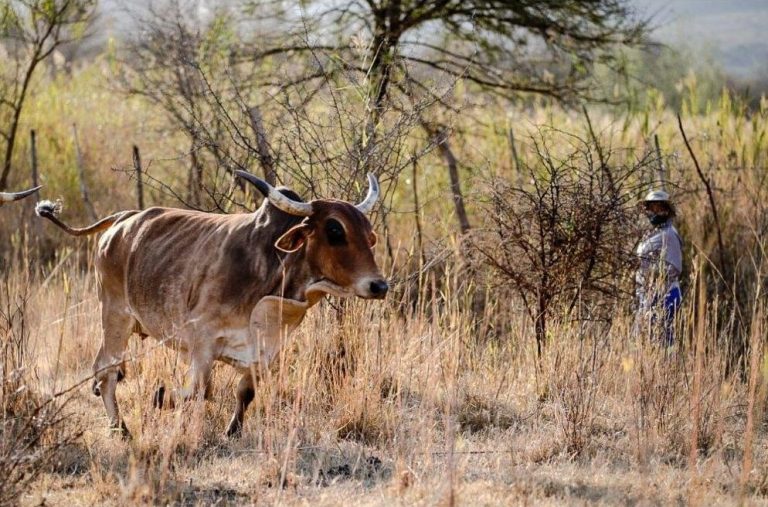
Graze and rangeland management assist in terms of the health of local livestock recovery. The improvement of those practices is part of the organisation, Conservation South Africa, learning support contribution to one of the DWS project result areas. Rangeland management is a practice used in order to have better and improved animal health conditions. To support livestock farmers, a weekly cattle dipping exercise is implemented to and the overall condition is checked by veterinary inspectors with the support of the Ecosystem Custodians. When necessary treatment is provided. An organisation ‘Meat Natural’ support the livestock farmers to regularly arrange auctions in the village.
Community Interaction
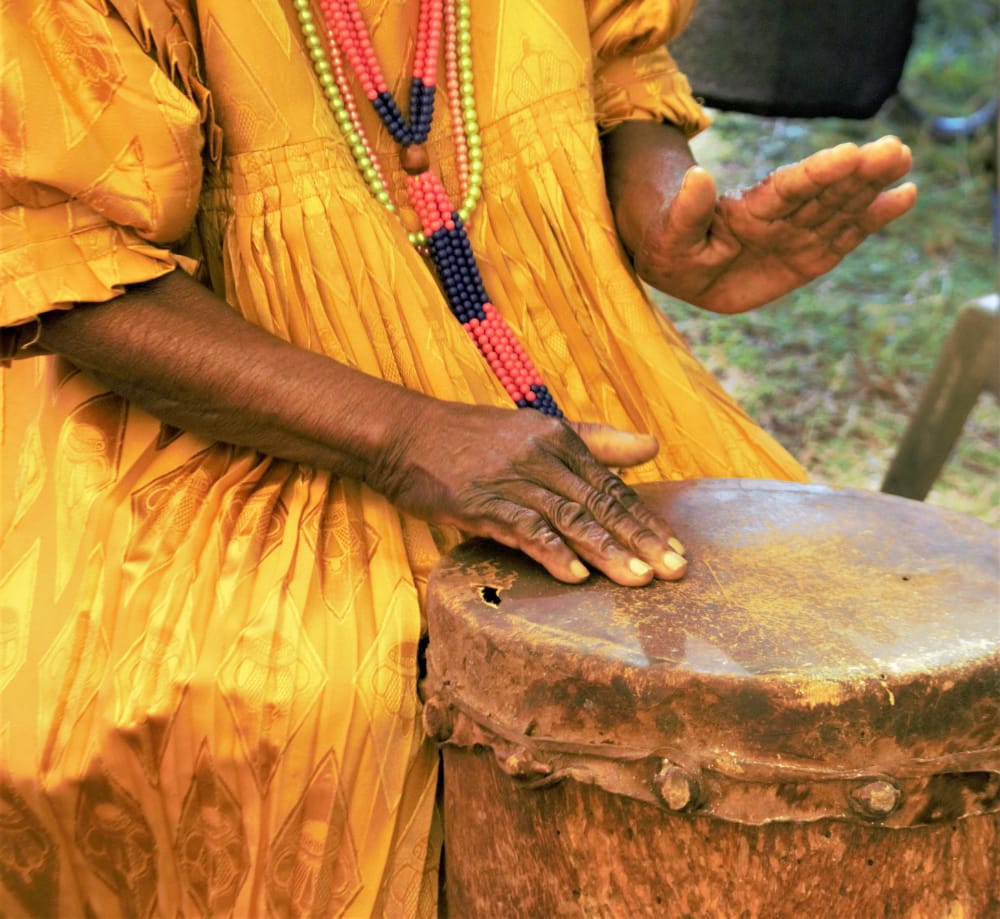
There are also community interaction activities such as traditional dancing, songs and music, chess and traditional game challenges. You can also buy local produced curios, craft and attire. Enquire at the tourism office for more details
Operating Hours
The tourism operation hours are from 8 am to 5pm. Bookings are essential, Due to us being located in a remote area, we do experience data connectivity problems from time to time. Please do call us if you have not received a response to your email
Find your way in Phiring
Distances from Tourism office to the sites are: –
- From office to Creche’ Split is 1.4km
- Sethunyeng parking is (2,6km) from road split – total 4km
- Sekweneng parking is (4.3km) total 5.7km
- From Sethunyeng to Sekweneng on foot is 2.3km


Accommodation
If you have camping gear you may camp in the garden of residents who will host you at night. This will include clean site, pit toilet, water supply for washing and cooking, firewood,
Home stays will soon be available within the houses of local families.
Nearby accommodation is Echo Caves, The Shoe, Blydepoort Forever Resort. Towards Hoedspruit you will find the Shikwari Lodge and Cape Vulture Lodge for special event.
Food
Village cuisine that is available, is vetkoekies, kotta (bunny chow), atchar, fish and chips. Also traditional food like pap, morogo made from pumpkin leaves and flowers or spinach, chicken heads, feet and necks.
You can also purchase locally produced fresh veggies in season from the lands.
To add to your picnic, raw chicken can be bought from various food outlets. Wood for your braai can be obtained from community members near the sites.
Tshisa nyama (open fire fried chicken) or fish and chips is available on order – it is a good idea to place your order before you commence on your hike and it will be ready on your return